
Little Falls, NJ · AAC Evaluations & Therapy · Infants Through Adults
AAC Evaluation & Therapy in Little Falls, NJ
every person deserves a way to communicate
Our experienced team of licensed speech-language pathologists provides comprehensive AAC evaluation and therapy services in Little Falls, NJ, at FTC Kids for individuals with complex communication needs. We take a personalized, client-centered approach to find communication solutions that support each person’s unique strengths, needs, and goals.
Our aim is to give every client the tools and strategies they need to express themselves, build meaningful connections, and take part more independently in everyday life.
FTC Kids, 163 E. Main Street, Second Floor, Little Falls, NJ
(973) 339-0141
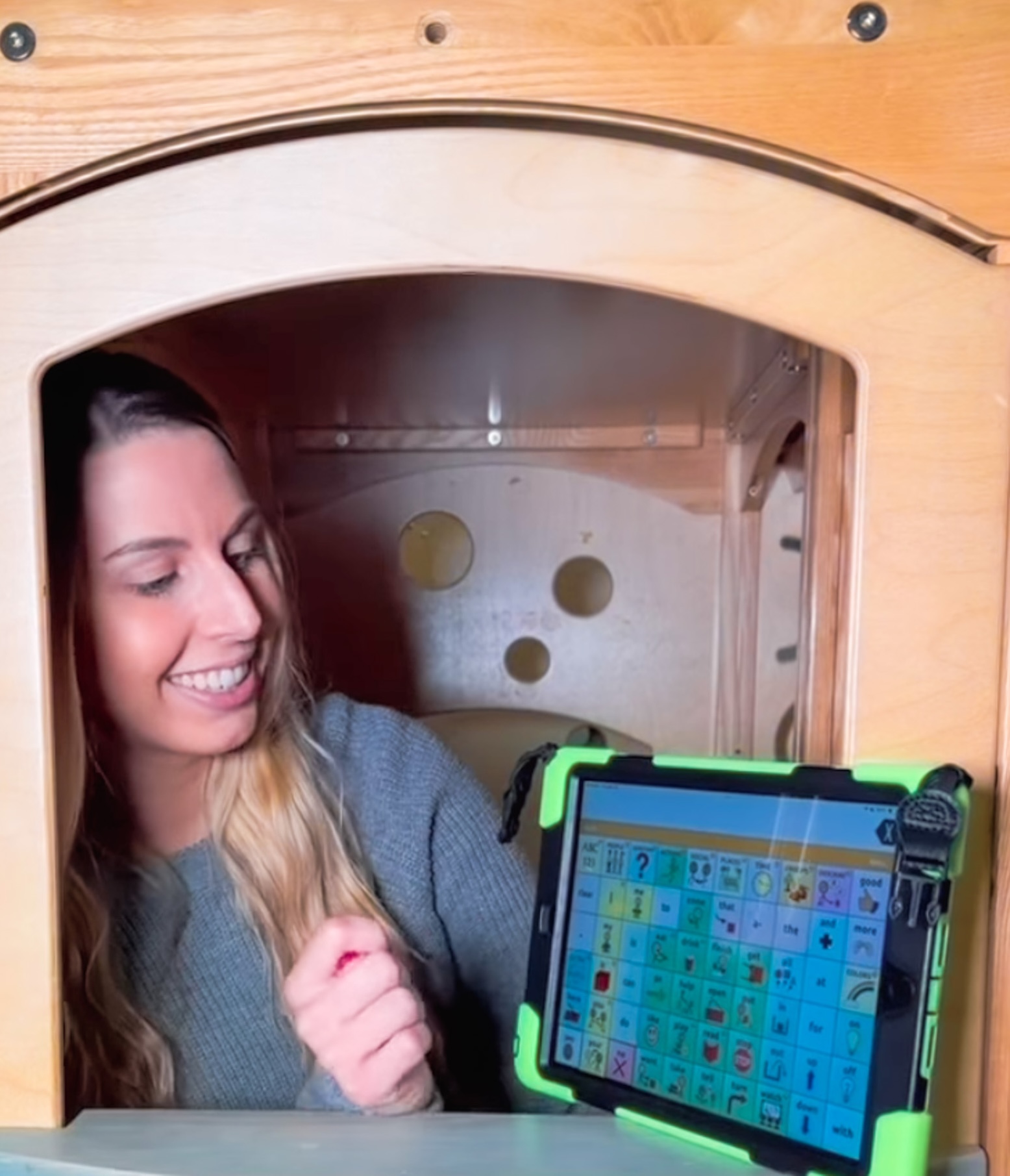
30+ days
Trial period, with a trial device that travels from home to school to clinic
5-year warranty
The device is permanent once approved
All ages
Infants and toddlers through adults
Why Families Reach Out
When to consider an AAC Evaluation in Little Falls, NJ, at FTC Kids
A parent, caregiver, teacher, or professional may begin considering an AAC evaluation when they notice that someone:
Everyday communication
Is not consistently able to communicate wants and needs
Has inconsistent verbal communication
Has difficulty communicating with unfamiliar communication partners
Being understood
Has limited functional vocabulary
Is difficult for others to understand
Uses gestures, leading, pulling, or other nonverbal behaviors to communicate
Frustration and behavior
Becomes frustrated when trying to communicate
Relies heavily on behaviors to communicate
Is losing speech or language skills
A system that isn’t working
Uses a communication system that is no longer meeting their needs
Has a communication board that does not provide enough vocabulary
Has an AAC device but is not using it effectively
An evaluation can also help when someone has a device but needs additional customization or therapy, needs a more robust system to support language development, or is beginning to need more sophisticated communication as language develops.
Noticing any of these? Talk with a Speech-Language Pathologist about what a communication system could look like.
The Service
What AAC evaluation and therapy involves
Augmentative and Alternative Communication (AAC) evaluation and therapy services help individuals who have difficulty communicating using speech alone find a reliable way to express themselves. AAC may include high-tech speech-generating devices (SGDs), tablet-based communication systems, low-tech communication boards, picture symbols, communication books, switches, gestures, signs, and other supports.
Our speech-language pathologists work with individuals and their families to determine which communication system will best meet each person’s unique needs. That may include a comprehensive AAC evaluation, trialing different communication systems and devices, helping obtain an appropriate device, customizing the system, and providing ongoing therapy and caregiver training.
“Our goal is not simply to find someone a device. Our goal is to help each individual have reliable access to communication across people, places, and activities.”

AAC is for communication, not just requesting
AAC should allow someone to do much more than ask for a snack or a favorite toy. We want individuals to be able to comment, joke, protest, ask questions, tell stories, share opinions, express emotions, participate socially, and say things that others may not expect.
What AAC can help support:
Requesting
Rejecting or protesting
Commenting
Asking questions and answering questions
Making choices
Sharing information
Expressing feelings
Social interaction
Greeting others
Advocating for themselves
Participating in school
Communicating with family and friends
Communicating pain, illness, or discomfort
Repairing communication breakdowns
Developing language
AAC can also help reduce the frustration that occurs when someone knows what they want to communicate but cannot effectively express it. For families, it can provide a clearer understanding of what their child is trying to say and give caregivers practical strategies for supporting communication throughout the day.
Who AAC Evaluation & Therapy is for
Who FTC Kids supports with AAC
AAC services are for individuals of all ages who have difficulty communicating effectively through speech alone. That includes people who are nonspeaking or minimally speaking, people whose speech is difficult for others to understand, people who use speech inconsistently or can’t rely on it throughout the day, and people who have lost previously acquired speech or language abilities.
01
Infants and toddlers
Emerging communication needs.
02
Preschool and school-age children
At home, at school, and in the community.
03
Adolescents
Systems that can grow with them.
04
Adults
Including those who have lost previously acquired speech or language.
05
Complex communication needs
Nonspeaking, minimally speaking, or hard for others to understand.
AAC may be appropriate for people with diagnoses or conditions including:
- Autism
- Apraxia of speech
- Cerebral palsy
- Developmental disabilities
- Down syndrome
- Genetic conditions
- Neurological conditions
- Childhood apraxia of speech
- Motor speech disorders
- Intellectual disabilities
- Progressive neurological conditions
- Acquired communication disorders
- Aphasia
- Other conditions that impact functional communication
There is no “prerequisite” for AAC. A child does not need to be able to speak, imitate, point, or identify pictures, have a certain level of cognitive ability, demonstrate perfect attention, or “prove” they are ready. AAC is a communication support, not a reward for reaching a particular developmental milestone.
What Makes AAC Different
AAC in Little Falls is guided by our Speech-Language Pathologists
As Speech-Language Pathologists, we bring a clinical understanding of speech, language, motor skills, cognition, sensory needs, social communication, literacy, and overall communication development to the AAC process.
Language comes first.
How does this person communicate now? What are they trying to say? What language do they understand, and what do they need to express? Which vocabulary is meaningful to them?
Access built around the person.
What motor abilities do they have? Can they isolate a finger or accurately use a touchscreen? Would larger buttons help? Is direct selection, scanning, or another access method the right fit? How much visual information can they manage?
A system that grows and travels.
What communication system can grow with them? How will it work at home, at school, at work, and in the community?
Total communication.
AAC is not a replacement for speech, and it does NOT inhibit verbal communication. People may use AAC alongside vocalizations, speech, gestures, facial expressions, signs, and body language. We believe in total communication and unrestricted access to communication.
Talk with a Speech-Language Pathologist about what a communication system could look like.
the process
What the AAC experience looks like at FTC Kids in Little Falls
1 |
Initial consultation and screening
We learn about the person’s communication history, current methods, strengths, challenges, and family priorities, plus home and school environments, motor and access considerations, and previous AAC trials.
2 |
Trial device and assessment
We order a trial device from AbleNet, or determine whether other forms of AAC are needed. If an initial speech and language assessment hasn’t been completed at our clinic, we do that too.
3 |
Therapy and a trial of at least 30 days
Therapy begins, and trial applications start. The trial device travels with the child between home, school, and clinic, and we may try different applications and access methods to learn what works best.
4 |
Device and system recommendations
Options may include high-tech speech-generating devices, tablet-based AAC, low-tech boards, core vocabulary systems, topic-based pages, communication books, switch access, and accessories such as keyguards or mounting systems.
5 |
Submission to keep the device
The treating SLP submits the evaluation to AbleNet. Once approved, the device is permanently the child’s, with a 5-year warranty.
6 |
Device customization
We can help with vocabulary, page organization, button size and layout, access settings, family members, places, interests, communication pages, and bilingual vocabulary, then adjust as communication skills develop.
7 |
Ongoing therapy and caregiver training
AAC is not something that should simply be handed to a child and expected to work independently. Therapy focuses on real communication, while caregivers learn to model language, create communication opportunities, avoid over-prompting, and carry the system throughout the day.
Talk with a Speech-Language Pathologist about what a communication system could look like.
Your Providers
Meet some of your Little Falls Speech-language Pathologist providers

Brianne Saccomanno
Lead Speech Therapist
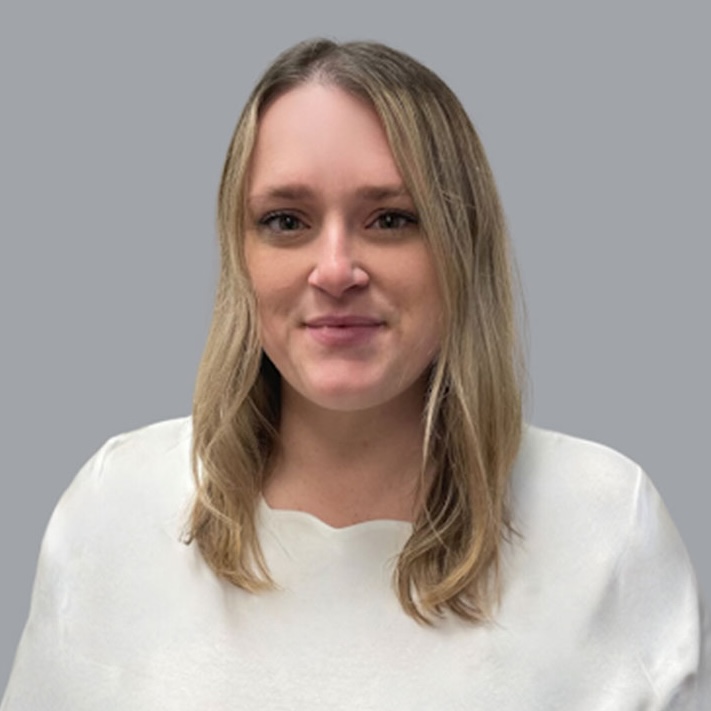
Rachel Mayer
Speech Program Enrichment & Coordinator

Elizabeth Barbier
Speech and Language Pathologist & Certified Lactation Counselor
The goal is connection.
Ultimately, AAC is about giving an individual a voice, autonomy, and a reliable way to connect with the people around them. Every person deserves access to a way to communicate.
Common Questions
AAC evaluation & therapy questions from Little Falls families
Getting Started
What is AAC?
AAC stands for augmentative and alternative communication. It helps people who have difficulty communicating using speech alone find a reliable way to express themselves and may include speech-generating devices, tablet-based communication systems, communication boards, picture symbols, communication books, switches, gestures, and signs.
What happens during an AAC evaluation in Little Falls, NJ?
A speech-language pathologist learns about the person’s communication history, strengths, challenges, and family priorities, then may assess language, functional and social communication, speech, motor abilities and access, vision, attention, and cognitive and learning considerations. Different systems are trialed for at least 30 days before a recommendation is made.
Can AAC help with autism, apraxia, or cerebral palsy?
Yes. AAC may be appropriate for people with autism, apraxia of speech, cerebral palsy, Down syndrome, developmental and intellectual disabilities, genetic and neurological conditions, motor speech disorders, aphasia, and other conditions that affect functional communication.
Will AAC keep my child from talking?
No. AAC does not inhibit verbal communication. It gives your child an additional way to communicate while supporting overall language development, and can be used alongside speech, vocalizations, gestures, facial expressions, signs, and body language.
Does my child need certain skills before starting AAC?
No. There is no prerequisite for AAC. A child does not need to speak, imitate, point, identify pictures, have a certain level of cognitive ability, demonstrate perfect attention, or prove they are ready.
Device and Trials
How long does the device trial last?
At least 30 days. The trial device travels with the child between home, school, and clinic, and different AAC applications and access methods may be tried to determine what works best.
Who keeps the device?
The child does. The treating SLP submits the evaluation to AbleNet, and once it is approved, the device is permanently the child’s. There is a 5-year warranty.
We have a device that isn't helping. Can you work with it?
Yes. We can help with customization, including vocabulary, page organization, button size and layout, access settings, and personalized vocabulary, and provide therapy and caregiver training so the system is used effectively.
Location, Insurance, and Next Steps
Where can I find AAC evaluations near Little Falls, Totowa, Wayne, or Montclair?
FTC Kids provides AAC evaluation and therapy services at our clinic, 163 E. Main Street, Second Floor, Little Falls, NJ 07424, serving families across Passaic and Essex Counties.
Are AAC services provided at the clinic, at home, or at school?
AAC evaluation and therapy services are provided at our clinic. When appropriate, we also collaborate with families, schools, teachers, related service providers, and other members of the care team through communication, consultation, or virtual collaboration.
Does insurance pay for AAC?
AAC evaluation and therapy services may be submitted through insurance, depending on individual coverage and benefits. For people who need a speech-generating device, our team can assist with the documentation and process of pursuing funding, and AbleNet may be used when appropriate.
How do I begin?
Fill out the inquiry form below or call (973) 339-0141. We start with an initial consultation and screening to learn about communication history, current methods, strengths, challenges, and family priorities.
Get Started Today!
Get in Touch | Inquire
AAC Evaluation and Therapy services are based at FTC Kids in Little Falls, New Jersey
Next Steps
Tell us a bit about your child (or yourself) and how communication is going, and our team will reach out to begin with an initial consultation.
Phone: (973) 339-0141
Email: contact@ftckids.com
Who We serve